
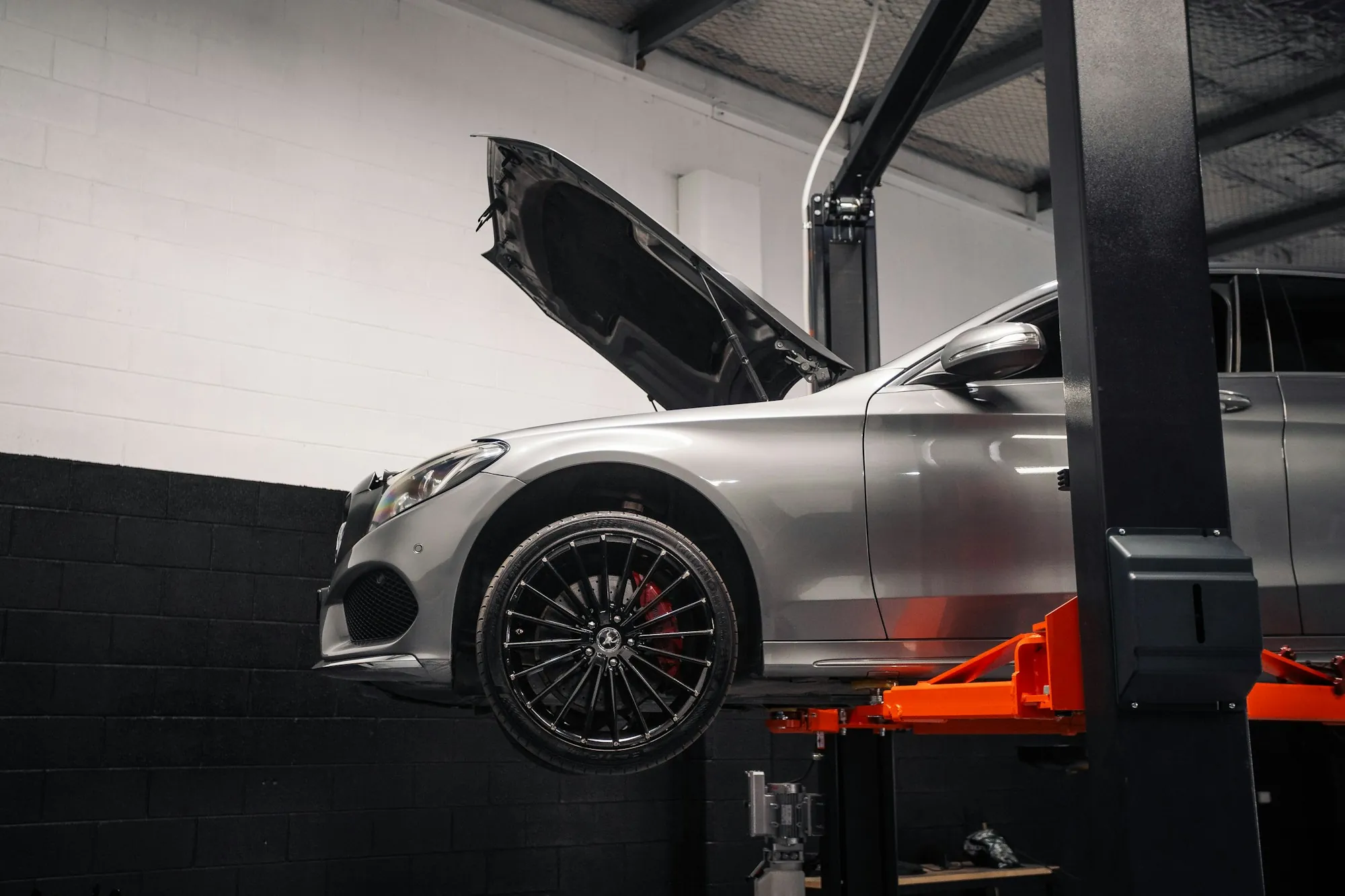
Aluminum bodywork
Aluminum Repair in Nevada, TX for Trucks That Work for a Living
Today's half-ton pickups and plenty of SUVs wear aluminum skins. When one meets a fence post, a deer or a ditch on FM 1138, the fix takes a different touch than steel.
Aluminum dent on the truck? (000) 000-0000Why Aluminum Gets Its Own Corner of the Shop
Aluminum is lighter than steel, which is why so many pickup builders switched to it for beds, doors and hoods. It also dents differently, stretches differently and doesn't like being heated the way steel does. Push it too hard and it cracks instead of bending back. Mix steel dust into it and corrosion can start under the paint. That's why we keep separate tools and a separate work area for aluminum here in Nevada, TX. You get the same plain talk about what the panel needs, whether that's straightening, a section replacement or a whole new skin.
Inside an Aluminum Job
Aluminum jobs range from a single door ding to a rear corner that needs riveted sections. Here's what goes into it.
Fix it or swap it, explained
We look at how far the metal stretched and tell you whether straightening makes sense or a new panel is the smarter path.
Aluminum-only hand tools
Aluminum gets its own hammers, dollies and sanders so steel particles never end up embedded in the panel.
Watched-temperature straightening
Where heat is allowed, we watch temperature closely so the metal softens enough to move without losing strength.
Rivets and structural adhesive
Many aluminum vehicles call for self-piercing rivets and bonding instead of welds. We follow those methods.
Bed side and tailgate fixes
Bed sides and tailgates take a beating from loads and gravel. We straighten or section them so they fit back cleanly.
Corrosion-guard primer
Bare aluminum is treated and primed with products made for it, so bubbles don't show up under the paint a year from now.
Factory-code color
Panels are painted from your factory color code and blended into neighboring panels so the repair disappears.
Gap and latch check
Doors, hood and tailgate are checked for even gaps and smooth closing before we call the job done.
How an Aluminum Job Moves Along
- 1
Look it over and plan
We start by figuring out which panels are aluminum and how deep the damage goes. A magnet test and the maker's body charts tell us quickly. Then we write up a plan that lists each panel and the method it needs. You see that plan before any work begins.
- 2
Straighten or section
Dents are worked out slowly with aluminum-only tools. Where a section has to be replaced, we drill out the old rivets and set new ones the way the procedure describes. Adhesive is applied and left to cure properly. Nothing gets rushed on this step.
- 3
Seal, color and reassemble
Bare metal is treated and primed with products meant for aluminum. Color goes on in the booth and gets blended. Everything is bolted back up and checked for gaps, latches and lights. Then we ring you to come take a look.
Why Truck Owners Trust Us With Aluminum
We respect the metal
Aluminum punishes shortcuts. We take the slower route because it's the one that holds up on rough County Road gravel.
No steel contamination
Keeping tools apart sounds fussy, but it's the difference between a clean repair and corrosion creeping out later.
You hear the plan first
Before a single rivet comes out, you know what's being repaired, what's being replaced and why.
Aluminum Panel Took a Hit?
Whether it's a crease in a bed side or a crumpled fender, aluminum is worth handling correctly the first time. Ring us up and describe the damage.
(000) 000-0000 — let us look at that aluminum