
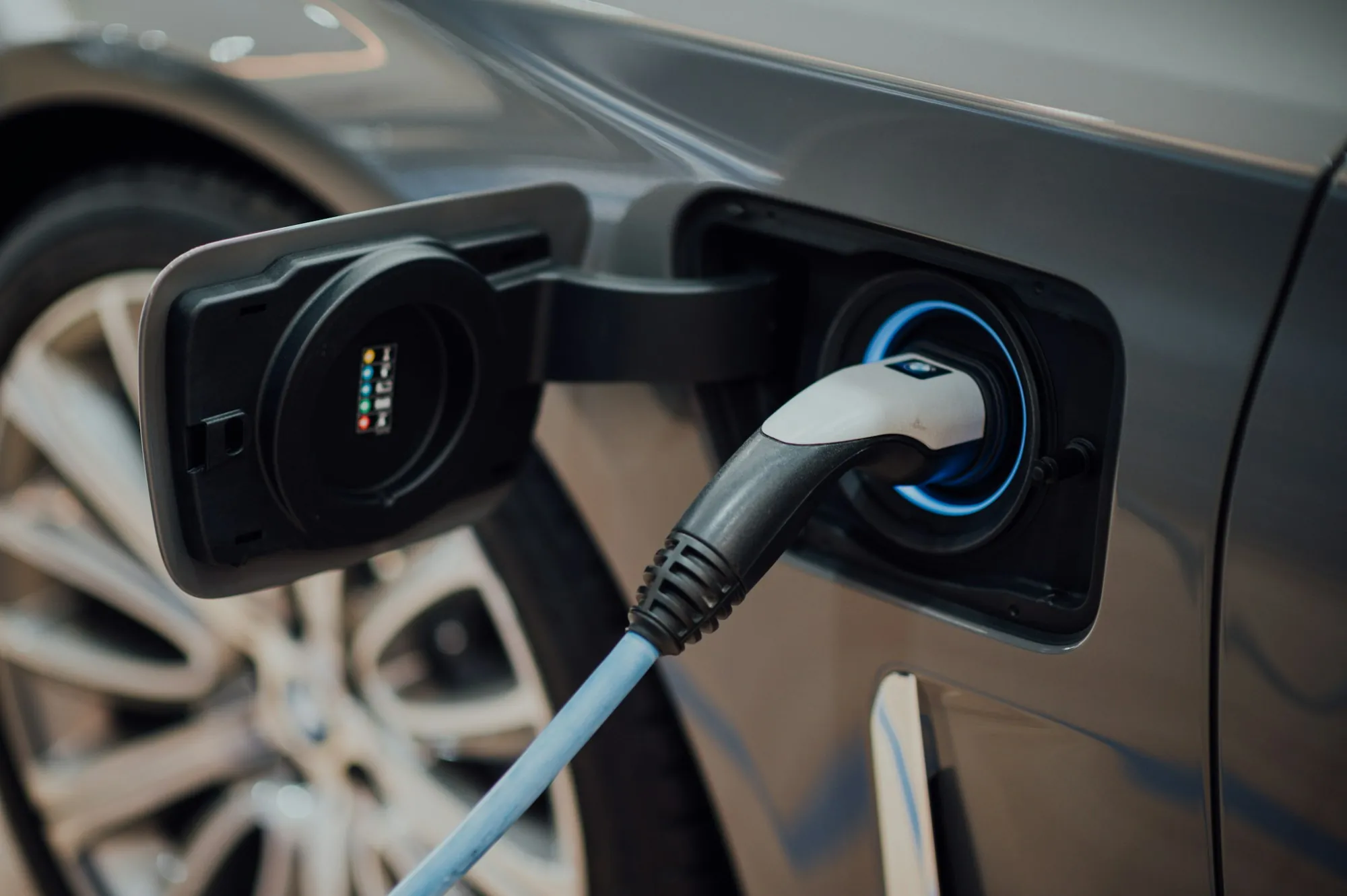
Electric and hybrid
EV & Hybrid Collision Repair in Nevada, TX With Safety Up Front
More hybrids and electric pickups make the commute down SH 78 every year. When one gets hit, the high-voltage system gets handled before anybody picks up a panel.
Hybrid or EV banged up? (000) 000-0000What Makes These Repairs Different
A hybrid or electric vehicle looks like any other car from the outside, but underneath it carries a big battery pack and orange high-voltage cables. After a collision, that system has to be checked and safely powered down before the bodywork starts. Heat from paint curing and welding also has to be managed around the battery. We take those steps in the right order and keep you in the loop along the way. Folks from Nevada, Texas, Wylie and Royse City bring us everything from older gas-electric sedans to newer battery-powered trucks. Each one gets the same patient, by-the-book approach.
Extra Care Built Into Every EV Job
On top of normal collision work, these vehicles get a few extra steps. Here's the list.
Shutting down the high-voltage side
Following the maker's procedure, we disable the high-voltage system and confirm it's de-energized before work begins.
Battery case inspection
We check the battery case, mounts and cooling lines for impact damage, since a hit underneath can hide trouble.
Looking over the orange cables
High-voltage wiring runs along the floor and frame. We inspect it for chafing, crushing or pulled connectors.
Inverter and pack cooling look-over
Battery and inverter cooling circuits get checked for leaks or cracked lines that a crash might have caused.
Body and structure work
Once it's safe, the vehicle gets the usual frame measuring, panel repair and replacement it needs.
Battery-friendly paint curing
Paint is cured with settings that respect the battery's temperature limits, following the maker's guidance.
Module scans before and after
Hybrids and EVs are full of modules. We scan before and after to catch codes the collision left behind.
Power-up and test drive
The system is brought back online, checked for faults, and driven to confirm everything behaves normally.
Three Steps From Crash to Charge
- 1
Power down before anything else
Before anything else, we identify the vehicle's high-voltage layout and follow the maker's steps to power it down. We look for battery damage and any sign of leaking coolant. If something looks wrong, we isolate the vehicle and explain what we found. Safety comes ahead of the estimate.
- 2
Plan and repair
With the vehicle safe, we tear down the damaged area and write a full repair plan. Your insurance company gets photos and the estimate. The structure, panels and paint are repaired like any collision job, with extra care around the battery. You get updates when parts arrive or the plan changes.
- 3
Bring it back to life
Once the body is done, the high-voltage system is reconnected and checked. Scans confirm no warning codes remain. We drive it to make sure the motors, brakes and driver aids act right. Then we walk you around it and hand back the keys.
Why EV and Hybrid Owners Come Our Way
Order matters
We don't start pulling panels until the high-voltage side is handled. That order protects the techs and your vehicle.
We read the manufacturer's steps
Every EV and hybrid has its own procedure. We look it up for your model rather than winging it.
Straight talk about the battery
If the pack needs a closer look from the dealer, we'll tell you plainly and help sort out the next step.
Battery-Powered Ride Took a Knock?
Even a small hit can reach parts of an EV or hybrid you can't see. Ring us and we'll talk through what happened and how to get it here.
Get the battery side checked — (000) 000-0000